Table of Contents
- The Science Behind Energy-Efficient Windows: A Quick Guide to the Ratings That Matter
- Drafty Windows? You’re Literally Heating the Outdoors
- Rising Heating Costs? Your Windows Could Be to Blame
- Foggy Windows? That’s a Seal Failure—And a Performance Problem
- Hearing More Traffic Noise? Your Windows Might Be Losing Their Seal
- Warped Frames, Cracked Glass, or Windows That Won’t Open? Time for a Replacement
- What Happens When You Upgrade? A Vancouver, WA Homeowner’s Story
- Key Takeaways
If you’ve noticed your heating bills climbing every winter, or you feel a chill near your windows even when the heat is on, your windows might be silently draining your wallet. In the Pacific Northwest, where damp, cool winters stretch for months and homes rely heavily on heating systems, inefficient windows can have a massive impact on both comfort and cost. The U.S. Department of Energy estimates that heat loss and gain through windows account for 25-30% of residential heating and cooling energy use. That’s a substantial portion of your energy bill going straight out the window—literally. Add to that the fact that the average home in the Portland-Vancouver-Hillsboro area is approximately 40 years old, and you’ve got a recipe for outdated, underperforming window technology in thousands of homes across the region. In this guide, we’ll walk you through five telltale signs that your windows are underperforming, explain the science behind energy loss, and show you what modern window technology can do to lower your bills and improve your comfort. Whether you’re dealing with drafts, condensation, or rising energy costs, understanding these warning signs will help you make informed decisions about when it’s time to upgrade.

The Science Behind Energy-Efficient Windows: A Quick Guide to the Ratings That Matter
Before diving into the warning signs, it’s helpful to understand how window performance is actually measured. When evaluating your windows or shopping for replacements, you’ll encounter terms like U-factor, SHGC, and ENERGY STAR certification. Here’s what they mean and why they’re critical in our climate. U-factor (Insulation): This measures the rate of heat loss through your window assembly. Think of it as the opposite of insulation—lower is better. For the Pacific Northwest’s long, cool, damp winters, a low U-factor (≤ 0.30) is essential to keep the heat inside where it belongs. Solar Heat Gain Coefficient (SHGC): This measures how much solar heat passes through your window. A moderate SHGC (≤ 0.40) is ideal for our region—it allows beneficial winter sun to passively heat your home while preventing summer overheating. Air Leakage (AL): This measures how airtight a window is. The lower the AL rating, the fewer drafts you’ll experience. Look for ratings of ≤ 0.30 cfm/ft². For homeowners in Washington and Oregon, ENERGY STAR Version 7.0 certification is the gold standard. Windows that meet this standard for our North-Central climate zone must have a U-factor ≤ 0.30 and SHGC ≤ 0.40—specifically designed to prevent heat loss during our extended heating season while managing solar gain during warmer months.
| Performance Metric | Requirement | Why It Matters Here |
|---|---|---|
| U-factor | ≤ 0.30 | Prevents heat loss during long, cool winters. |
| SHGC | ≤ 0.40 | Balances passive solar heating in winter with summer heat control. |
Understanding these metrics empowers you to evaluate your current windows and make informed choices about upgrades that will truly make a difference in your home’s performance.
Drafty Windows? You’re Literally Heating the Outdoors
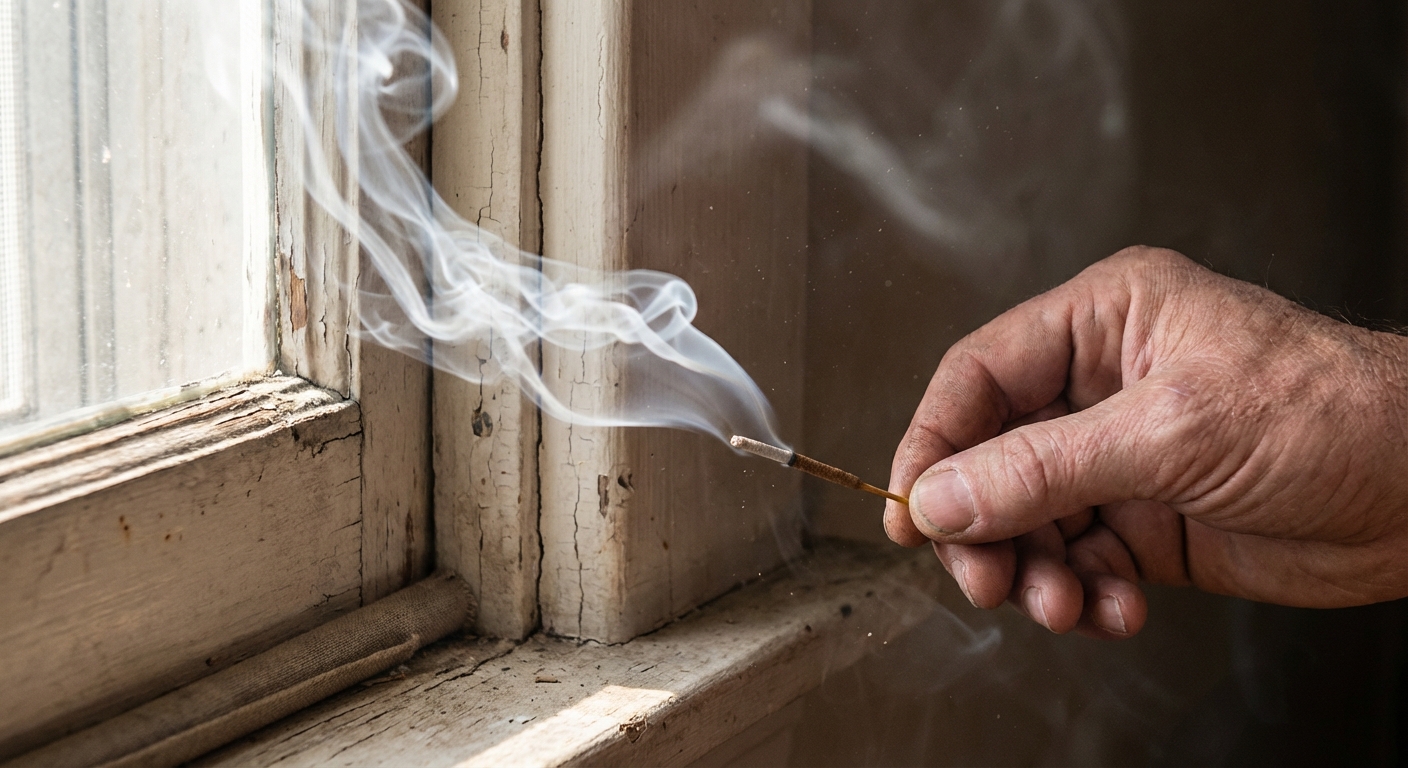
One of the most obvious signs of failing windows is feeling a draft or cold spot when you’re standing near them. This happens when the seals, weatherstripping, or gaskets around your window sash or frame fail, or when the frame itself warps, cracks, or deteriorates over time. Air leakage isn’t just uncomfortable—it’s expensive. The Department of Energy reports that reducing drafts from sources like windows and doors can result in 5-30% annual energy savings. In colder climates like ours, uncontrolled air infiltration can account for up to 40% of your heating load, forcing your furnace or heat pump to work overtime and driving up your energy bills.
The DIY Diagnostic Test
You can easily check for air leakage using the “incense test.” Light an incense stick and move it slowly around the window perimeter—along the sash, frame, and where the window meets the wall. If the smoke wavers, flickers, or is drawn inward or outward, you have a leak. For a more comprehensive assessment, consider scheduling a professional blower door test. This test depressurizes your entire home to measure overall air leakage and pinpoint specific problem areas using infrared cameras or smoke pencils.
Rising Heating Costs? Your Windows Could Be to Blame
Have your energy bills been steadily climbing, even though your usage habits haven’t changed? Your windows may be silently draining your wallet. As windows lose their insulating properties over time, your heating system has to work much harder to compensate for increased heat transfer through the glass and frames. The financial impact of inefficient windows is substantial and quantifiable. ENERGY STAR provides region-specific savings estimates based on real data for the Pacific Northwest:
| Replacing | With | Annual Savings |
|---|---|---|
| Single-Pane Windows | ENERGY STAR Certified Windows | $251 – $625 |
| Double-Pane, Clear Glass (pre-2000) | ENERGY STAR Certified Windows | $93 – $207 |

The Technology Behind the Savings
To understand these savings, consider the performance difference: a typical single-pane window has a U-factor of approximately 1.10, meaning it allows heat to escape quite easily. A modern Low-E double-pane window with argon gas fill has a U-factor as low as 0.25—over four times more efficient. Low-E (low-emissivity) coatings are microscopically thin metallic layers applied to the glass that reflect infrared heat back into your home during winter and block it during summer, all without reducing visible light. Combine this with inert gas fills like argon (which is 33% better at insulating than air), and you have a window that fundamentally transforms your home’s thermal performance. If your energy bills have been steadily increasing and your heating system seems to run constantly during the winter months, it’s time to take a serious look at your windows. The investment in upgrades often pays for itself through energy savings over time.
Foggy Windows? That’s a Seal Failure—And a Performance Problem
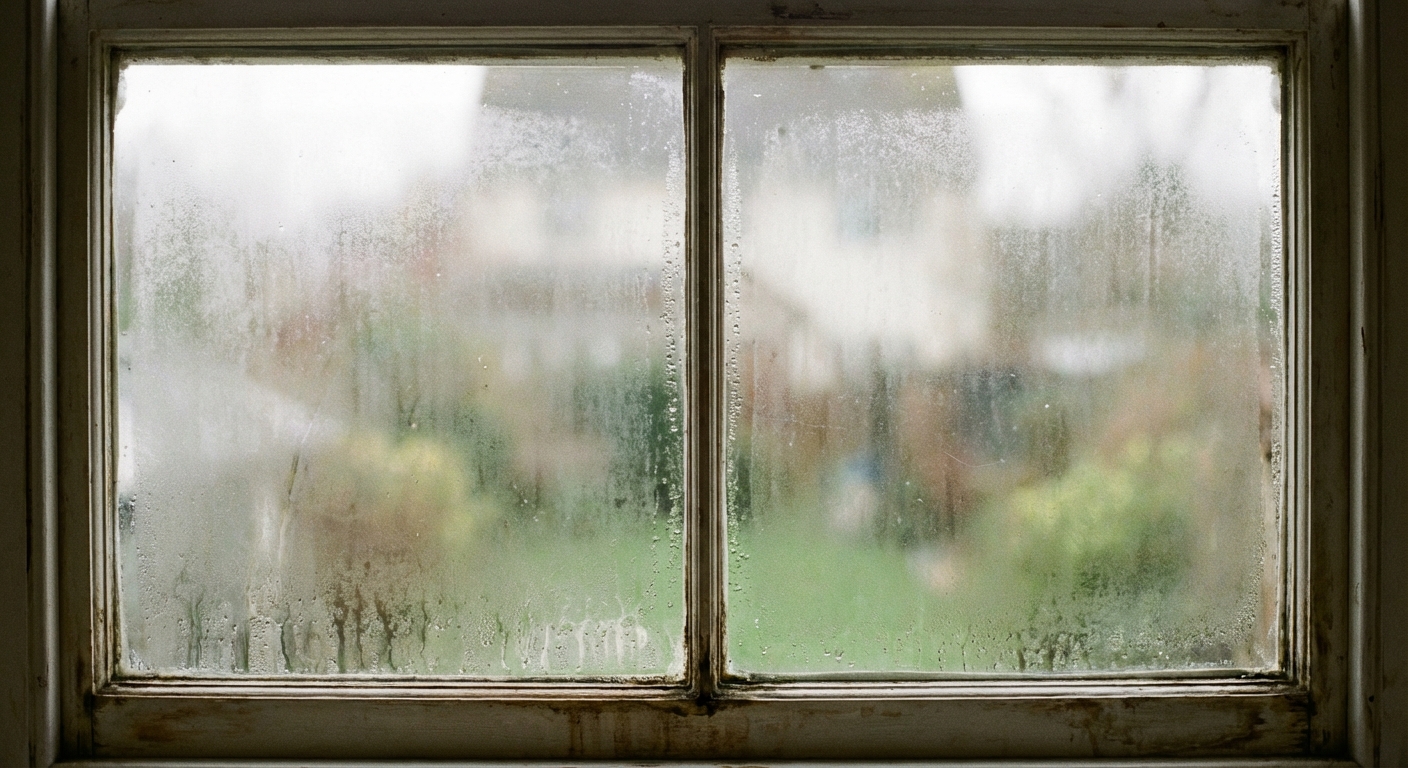
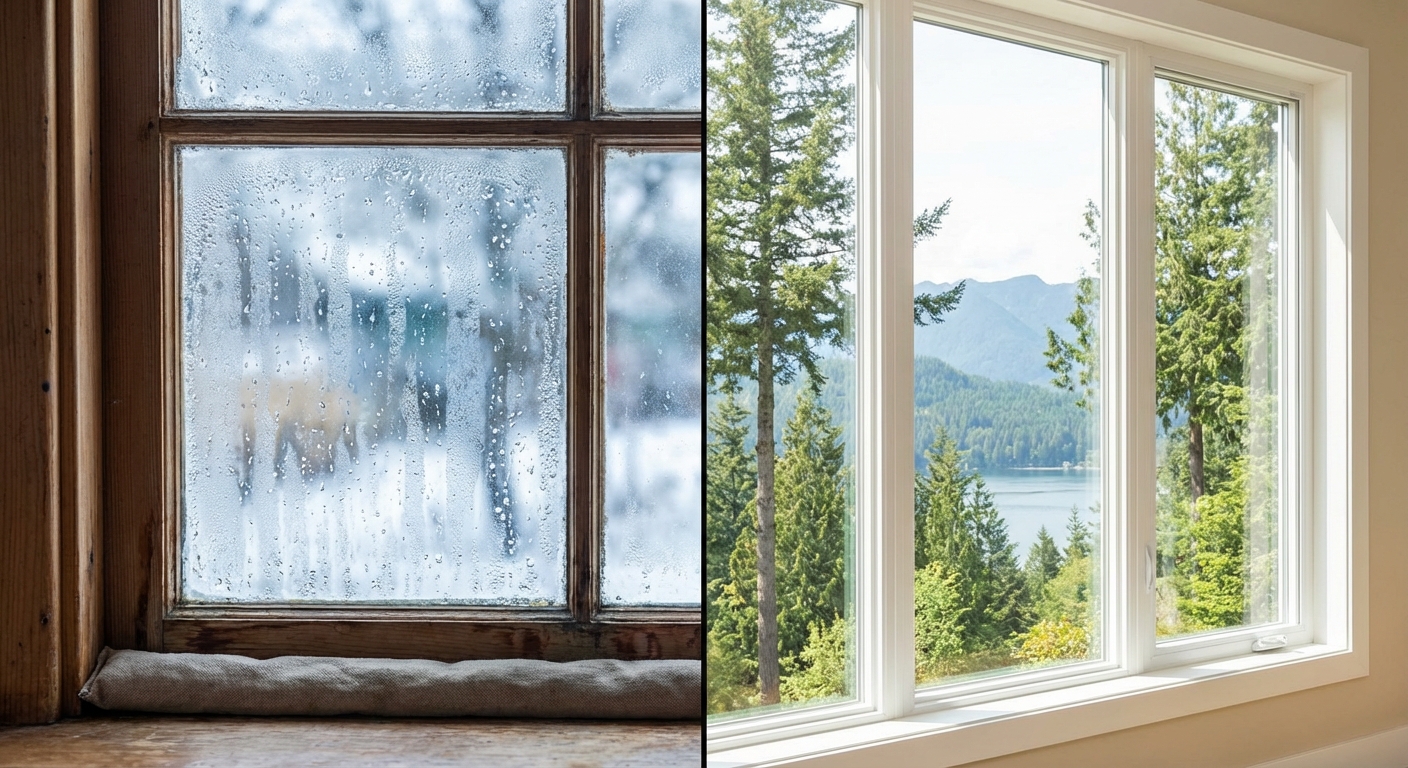
Condensation on windows can be confusing because not all condensation means the same thing. Understanding where the moisture appears is key to diagnosing the problem. Interior condensation (on the room-side glass) typically occurs during cold weather and is usually a sign of high indoor humidity, not necessarily window failure. You can address this by using exhaust fans, running a dehumidifier, or improving ventilation. Exterior condensation (on the outside of the glass) often appears on cool mornings after humid nights. This is actually a good sign—it means your window is so well-insulated that the outer pane stays cold because it’s not being heated by escaping warmth from inside. Condensation between the panes, however, is a definitive sign of seal failure in an Insulated Glass Unit (IGU). This is the problem that demands immediate attention. Modern double- and triple-pane windows are designed with a hermetically sealed space between the glass panes, filled with inert gases like argon or krypton. These gases are significantly better insulators than air:
| Gas | Thermal Conductivity (W/m·K) | Performance Note |
|---|---|---|
| Air | 0.024 | Baseline for insulation. |
| Argon | 0.016 | ~33% better insulator than air (most common). |
| Krypton | 0.009 | ~63% better insulator than air (for smaller gaps). |
When the perimeter seal breaks—due to age, UV exposure, temperature cycling, or manufacturing defects—these insulating gases escape and are replaced by moisture-laden atmospheric air. The resulting condensation or fogging between the panes cannot be cleaned, and it signifies a complete loss of the unit’s insulating properties.
Hearing More Traffic Noise? Your Windows Might Be Losing Their Seal
Windows are often the weakest acoustic link in your home’s exterior envelope. If sounds from traffic, neighbors, construction, or other outdoor sources seem louder than they used to, it’s more than just an annoyance—it can be a sign of degrading window seals or an indication that your existing windows offer poor acoustic insulation.
Understanding Sound Insulation Ratings
Sound insulation in windows is measured using two primary ratings:
- STC (Sound Transmission Class): Measures sound reduction for typical indoor noises like speech across mid-range frequencies.
- OITC (Outdoor/Indoor Transmission Class): More relevant for windows, as it specifically measures the reduction of low-frequency outdoor sounds like traffic, trains, and aircraft.
A typical single-pane window has an STC rating of approximately 26-28, offering minimal sound protection. A standard double-pane insulated glass unit improves this to 28-32. However, modern windows with laminated glass (a layer of plastic vinyl sandwiched between two sheets of glass) or panes of varying thicknesses can achieve STC ratings of 40 or higher.
“An increase of 10 points in an STC rating roughly halves the perceived loudness. That means a window with an STC of 38 will make outdoor noise sound about 50% quieter than a window with an STC of 28.”
Why Failing Windows Get Louder
As window seals deteriorate, they create new physical pathways for sound waves to travel through. Even small gaps or cracks in weatherstripping can allow noise to infiltrate your home. If you’ve noticed that your home has become noticeably noisier over the years, failing windows may be the primary culprit. Upgrading to high-performance windows not only reduces energy loss but also creates a quieter, more peaceful indoor environment—an often-overlooked benefit that significantly improves quality of life, especially in urban or high-traffic areas.
Warped Frames, Cracked Glass, or Windows That Won’t Open? Time for a Replacement
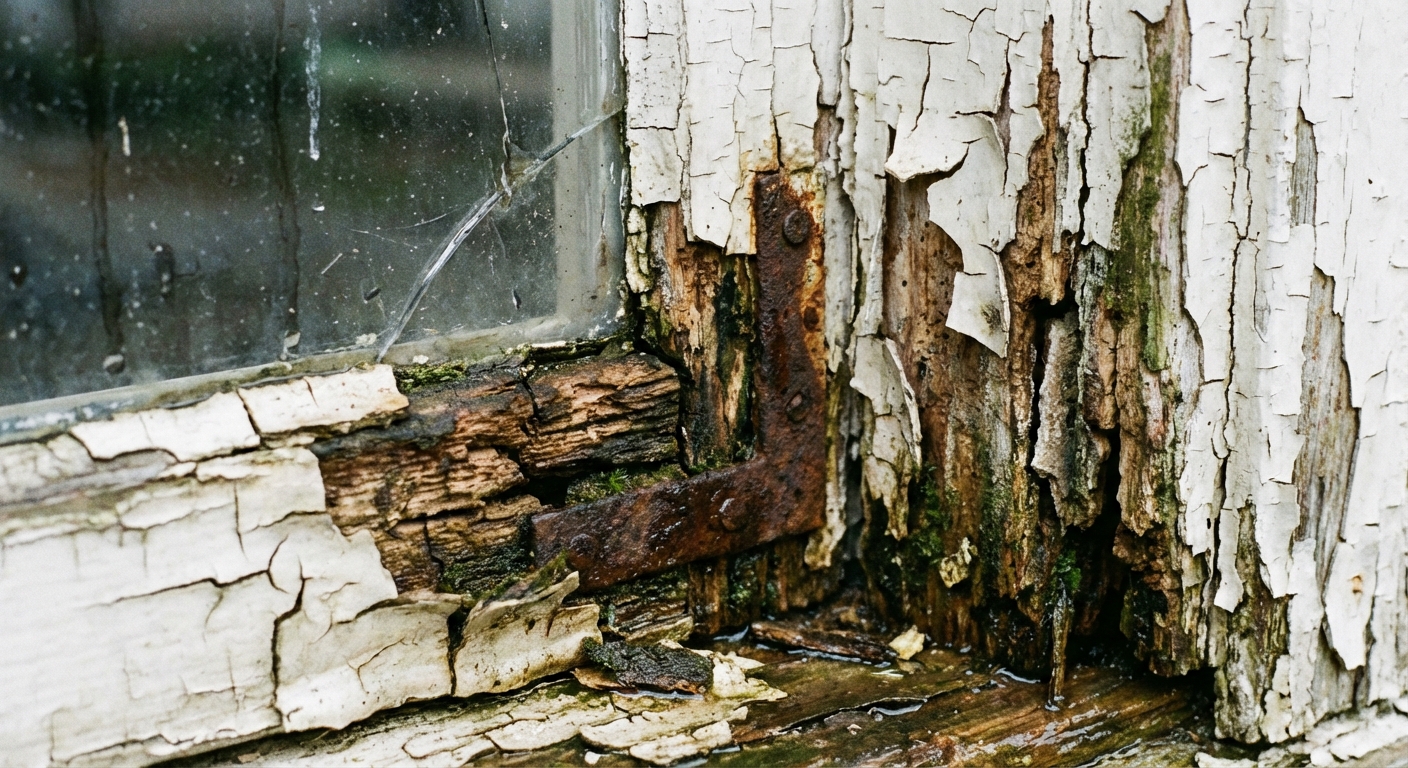
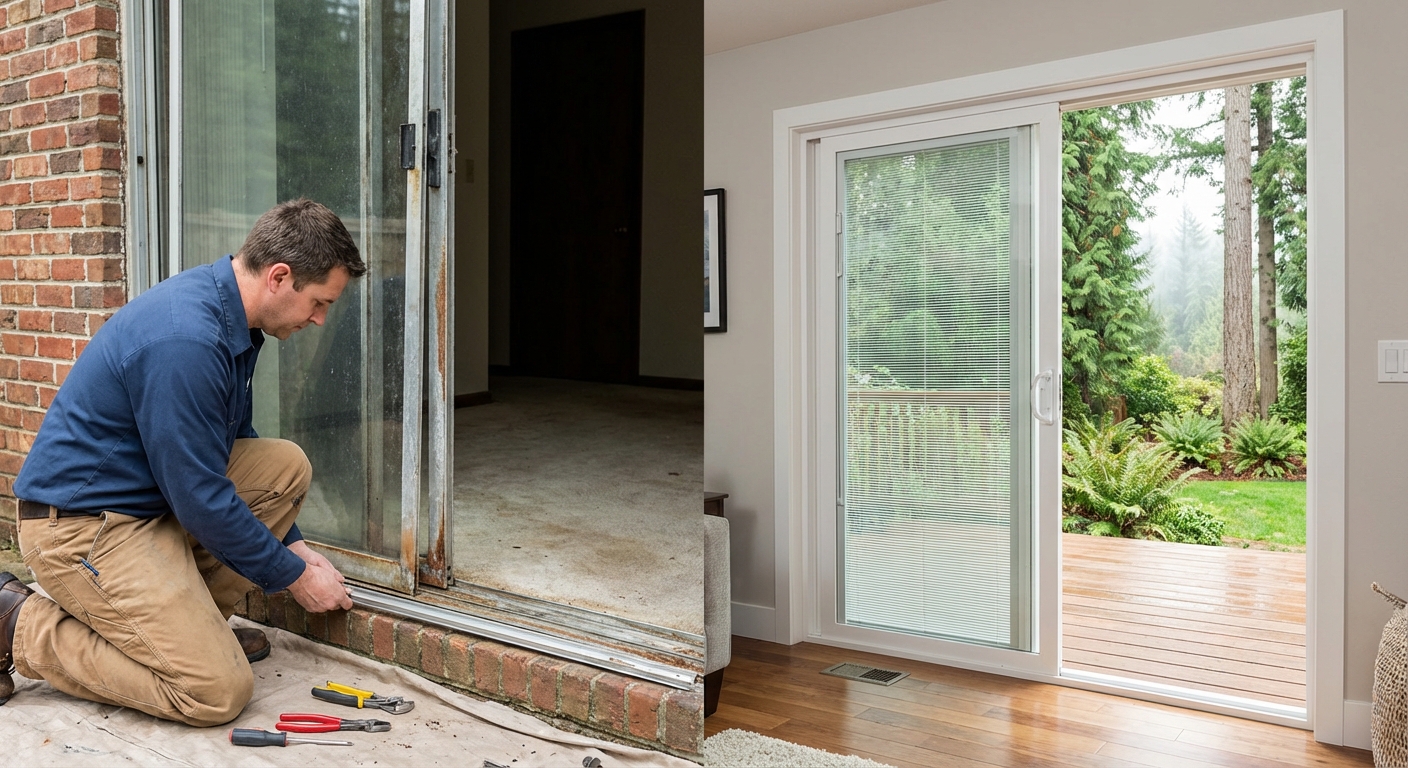
Visible signs of decay and difficulty operating your windows are clear indicators that they’ve reached the end of their functional life. These issues compromise not only energy efficiency but also home security, occupant safety, and overall structural integrity.
Common Physical Failures
- Wood frames: Susceptible to rot, warping, and cracking from prolonged moisture exposure—especially problematic in the damp Pacific Northwest climate.
- Vinyl frames: Can become brittle, discolored, or cracked with age and long-term UV exposure.
- Aluminum frames: Particularly older non-thermally-broken models are poor insulators and prone to corrosion.
Operational Issues
- Difficulty opening or closing: Warped sashes or frames not only create severe drafts but can also violate fire egress safety codes if the window is in a bedroom.
- Broken balances or cranks: If a window can’t stay open or requires force to operate, it poses a safety hazard.
- Failing locks: Compromised locking mechanisms are a significant security risk for your home and family.
Research from Lawrence Berkeley National Laboratory emphasizes that overall window performance depends heavily on the integrity of the frame and sash components, not just the glass itself. Physical damage creates gaps and cracks that undermine insulation, regardless of how advanced the glazing technology is. If your windows are hard to operate, show visible decay, won’t lock properly, or have cracked glass, they’re past their prime. Replacement isn’t just about energy efficiency—it’s about safety, security, and maintaining your home’s value. Consider consulting with Town & Country Glass for professional window glass replacement services in the Portland area.
What Happens When You Upgrade? A Vancouver, WA Homeowner’s Story
To illustrate the real-world impact of window replacement, let’s look at a data-driven case study based on a typical Pacific Northwest home. The Scenario: A 2,200 sq. ft. home in Vancouver, Washington, built in 1985. The home has 350 sq. ft. of original double-pane, clear glass windows with aluminum frames (no thermal break). The homeowner is experiencing high heating bills, noticeable drafts near windows, and severe winter condensation. The Upgrade: The homeowner decides to replace all windows with modern, ENERGY STAR certified, fiberglass-framed, triple-pane windows featuring Low-E coating and argon gas fill.
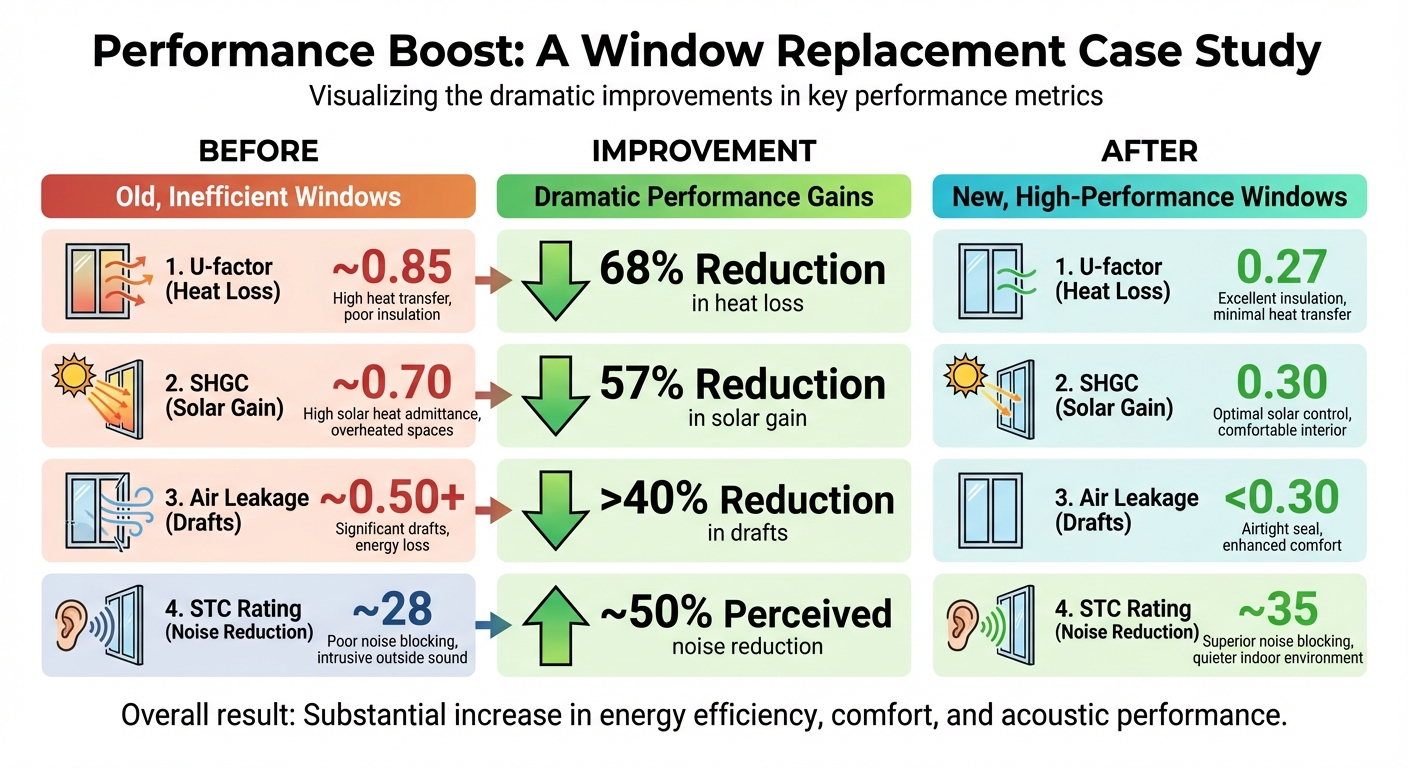
| Performance Metric | Before: Old Aluminum | After: New Fiberglass | Improvement |
|---|---|---|---|
| U-factor | ~0.85 | 0.27 | 68% reduction in heat loss |
| SHGC | ~0.70 | 0.30 | 57% reduction in solar gain |
| Air Leakage (AL) | ~0.50+ cfm/ft² | <0.30 cfm/ft² | >40% reduction in drafts |
| STC Rating | ~28 | ~35 | ~50% perceived noise reduction |
The Results
- Energy Savings: Based on ENERGY STAR data for the region, the homeowner saves over $200 annually compared to their existing double-pane windows—and significantly more compared to single-pane windows.
- Comfort: Drafts are completely eliminated, rooms feel consistently warmer in winter, and the home is noticeably quieter even during heavy traffic hours.
- UV Protection: The Low-E coating blocks over 98% of harmful UV radiation, protecting furniture, flooring, and artwork from fading.
- Home Value: Energy-efficient upgrades like these are strong selling points that can increase resale value and appeal to environmentally conscious buyers.
This isn’t just about cutting costs—it’s about transforming your home’s comfort, security, and long-term performance. The investment pays dividends through lower bills, improved livability, and peace of mind.
Key Takeaways
If you’ve noticed any of these five warning signs in your home, your windows are likely costing you more than they should:
- Drafts or cold spots near windows indicate air leakage and seal failure.
- Unexplained increases in energy bills suggest your windows are losing their insulating properties.
- Condensation or fog between glass panes is a definitive sign of IGU seal failure.
- Increased transmission of exterior noise signals deteriorating seals or poor acoustic performance.
- Visible damage, operational failure, or frame decay compromises safety, security, and efficiency.
These signs aren’t just inconveniences—they’re indicators of a failing system that’s costing you money, comfort, and peace of mind. Upgrading to modern, ENERGY STAR certified windows designed specifically for the Pacific Northwest climate offers measurable energy savings, improved comfort, better acoustics, and enhanced home security. By understanding these warning signs and the technology available to address them, you’re equipped to make a strategic, informed investment in your home’s long-term performance and sustainability.
Ready to Stop Losing Money Through Your Windows?
If you’ve noticed any of these signs in your Vancouver, Portland, or greater Pacific Northwest home, it’s time for a professional window assessment. Town & Country Glass specializes in energy-efficient window replacement solutions tailored to our unique climate. With over 35 years of experience serving the Portland tri-county area and over 1,500 positive Google reviews, we’re the team you can trust for professional glass repair and replacement.
References:
All data, statistics, and technical information in this article are drawn from the following authoritative sources:
- U.S. Census Bureau. (2022). American Community Survey, 2022 5-Year Estimates, Table DP04, Selected Housing Characteristics.
- U.S. Department of Energy. (n.d.). Update or Replace Windows.
- National Fenestration Rating Council. (n.d.). The NFRC Label.
- U.S. Environmental Protection Agency. (2023). ENERGY STAR Version 7.0 Program Requirements for Residential Windows, Doors, and Skylights.
- U.S. Department of Energy. (n.d.). Energy Performance Ratings for Windows, Doors, and Skylights.
- Lawrence Berkeley National Laboratory. (n.d.). Window Materials.
- U.S. Department of Energy. (n.d.). Air Sealing Your Home.
- Kalamees, T. (2007). Air tightness and air leakage of new detached houses in Estonia. Energy and Buildings, 39(7), 795-801.
- U.S. Department of Energy. (n.d.). Professional Home Energy Audits.
- U.S. Environmental Protection Agency. (n.d.). Savings for a Typical Home. ENERGY STAR.
- Efficient Windows Collaborative. (n.d.). Window Technologies.
- U.S. Department of Energy. (n.d.). Low-Emissivity Window Glazing or Glass.
- U.S. Department of Energy. (n.d.). Minimizing Condensation on Windows and Doors.
- Lawrence Berkeley National Laboratory. (n.d.). Gas Fills.
- National Glass Association. (n.d.). Get to Know Your Glass and Glazing: Sound Control.
- U.S. General Services Administration. (2011). Sound Matters: How to achieve the desired acoustic performance.
- Lawrence Berkeley National Laboratory. (2016). A review of the state-of-the-art of high-performance windows in the U.S.
- Pacific Northwest National Laboratory. (2019). Impacts of Model Building Energy Codes.